Roof leaks aren’t just a minor inconvenience—they can lead to costly repairs, mold growth, and long-term structural damage. Many homeowners don’t realize that small, unnoticed issues like damaged shingles, poor ventilation, or clogged gutters can quickly turn into major leaks. In this guide, we’ll break down the top 10 causes of roof leaks, offering insights into how these problems start and how you can prevent them before they escalate. Knowing these red flags can help you protect your home, save on repairs, and keep your roof in top shape for years to come.
1. Damaged Shingles
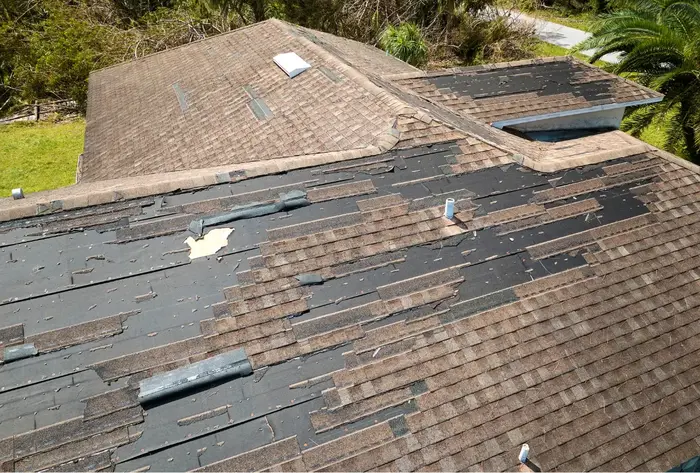
Damaged shingles are one of the primary causes of roof leaks, as they compromise the roof’s protective layer. When shingles are cracked, curled, or missing, they create gaps that allow water to penetrate, especially during heavy rain or snow.
Over time, water seeps into these weak spots. It can damage the structure beneath the roof. Signs of damage, such as buckling or granule loss, indicate that the shingles are no longer effectively shielding the roof, making it vulnerable to leaks and water-related issues. This breakdown in protection can eventually lead to rotting wood, mould growth, and costly interior repairs.
2. Cracked Flashing

You might not realize it, but flashing plays a significant role in keeping your roof leak-free, especially at joints and edges.
However, flashing materials can crack over time. Their resilience decreases due to severe weather, like heavy rain and temperature changes. These cracks become pathways for water, leading to leaks that can harm your roof structure and your home.
Flashing Material Durability
The longevity of your flashing depends largely on the material used and regular flashing maintenance. Metal flashing, for example, can corrode over time, leading to cracks and leaks.
Understanding the durability of various flashing materials can help you make informed decisions:
Material Type | Resilience | Maintenance Needs |
Aluminum | Medium | Moderate |
Copper | High | Low |
Galvanized Steel | Low | High |
Rubber | Medium | Low |
Vinyl | Low | Moderate |
Weather-Induced Flashing Damage
Gradually, exposure to harsh weather conditions, such as intense sun, heavy rain, and freezing temperatures, can cause your flashing to crack. These cracks become pathways for water, causing leaks that can harm your home. Utilising high-quality sealants or weatherproofing solutions can prolong the life of your flashing and protect it from future damage.
3. Clogged Gutters

When gutters are clogged, water may overflow and harm your roof, potentially causing leaks. This overflow is often caused by debris like leaves and twigs that accumulate over time on the roof surface, blocking the natural flow of water. Regular maintenance is essential to prevent these blockages and make sure that water is directed away from your roof effectively.
Water Overflow Issues
When your gutters are blocked, water can’t flow away from your roof as it should. Instead, it pools, causing overflow that seeps into your roof’s structure.
Adding gutter guards can help block leaves and debris, minimising clogs. Additionally, check that your downspouts are clear and direct water at least ten feet away from your home’s foundation.
If you notice water pooling around the base, extend the downspouts or add splash blocks to guide the flow more effectively.
Debris Accumulation Risks
When leaves, twigs, and dirt build up, they can clog the gutters, leading to water overflow and potential leaks. Preventing buildup is essential for effective roof maintenance.
By neglecting debris removal, you expose your home to unnecessary risks. Water that can’t escape through clogged gutters may seep under shingles or overflow, causing water damage to your roof and even your home’s foundation.
4. Broken Skylights
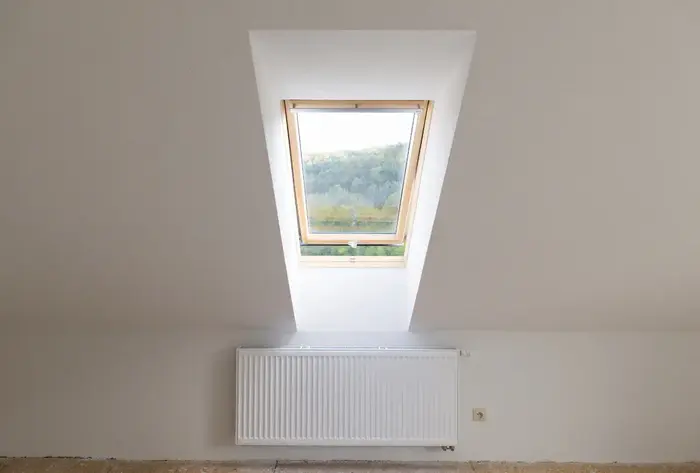
These architectural features can transform your space by flooding it with natural light, but they also present unique challenges when not properly maintained.
With prolonged exposure, the seals around skylights can degrade, allowing water to intrude. It’s essential to inspect these seals periodically, especially after severe weather, to ensure they remain intact and effective.
If you notice any signs of damage, such as cracked glass or warped frames, it’s time to consider skylight repair techniques. Start by addressing minor issues like resealing the edges with a high-quality silicone caulk. This stops minor leaks from escalating into major issues.
5. Poor Ventilation
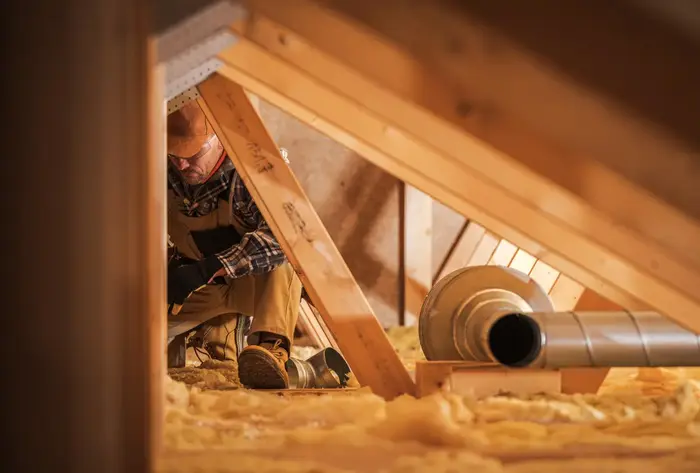
When your attic isn’t properly ventilated, the attic temperature can surge, trapping heat and moisture. This can lead to condensation forming on the underside of your roof, eventually causing water damage and leaks. You might think your roof is secure, but without adequate aeration, you’re inviting trouble.
To avoid these problems, explore ventilation solutions that can keep your attic in check. Installing ridge vents or soffit vents can notably improve airflow, helping control attic temperature and preventing moisture buildup. Ridge vents are installed at the peak of the roof, allowing hot air to escape, while soffit vents are placed under the eaves to allow cooler air to enter. By ensuring air circulates freely, you’re reducing the chance of condensation and subsequent leaks.
6. Ice Dam Formation
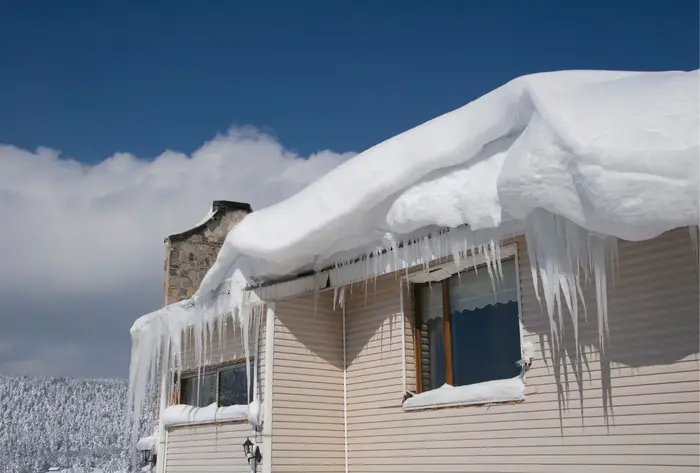
Ice dams form when warm air from your home causes snow on the roof to melt and refreeze at the edges, leading to water seepage.
Preventing ice dams requires proper roof insulation, which helps maintain a consistent roof temperature by keeping heat from escaping. Consider investing in roof heating systems. These systems, like heat cables, help melt snow before it can freeze into ice dams. They can keep your roof warm enough to prevent ice formation when properly installed.
Make snow removal a regular part of your winter maintenance routine. By regularly removing snow from your roof, you reduce the amount of melting and refreezing that can lead to ice dams.
7. Aging Roof Materials
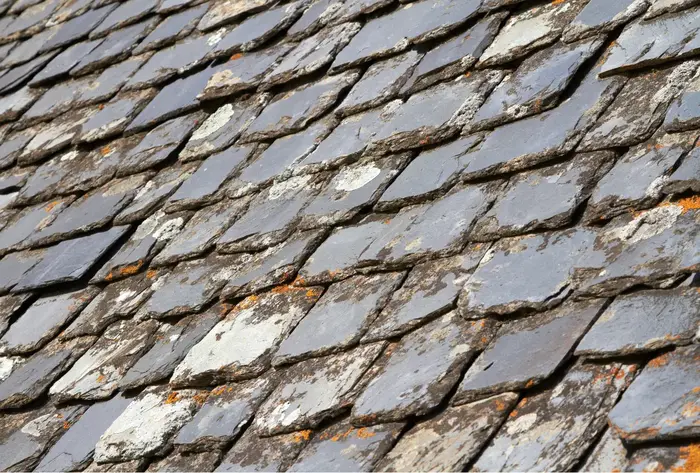
Aging roof materials often show signs of wear, such as cracked or curling shingles, which can expose the underlying structures to weather elements. This exposure increases the risk of leaks and can compromise your home’s interior. To help you manage this issue, consider these key points:
- Regular Inspections: Schedule routine inspections to identify early signs of material deterioration. Professional assessments can catch issues before they escalate, saving you time and money in the long run.
- Material Lifespan: Be aware of the lifespan of your roofing materials. For instance, asphalt shingles typically last 20-30 years, while metal roofs can endure up to 50 years. Knowing this helps you plan for timely replacements.
- Preventive Measures: Implement preventive measures such as cleaning gutters and trimming overhanging branches. These actions can reduce your roof’s stress and slow material deterioration.
8. Improper Installation

When your roof isn’t installed correctly, it can create gaps and weak points, which allow water to seep through during heavy downpours.
Proper installation techniques include using the appropriate materials and ensuring they’re secured properly, aligning shingles accurately, making sure flashing is precisely placed around chimneys, vents, and other protrusions, and ensuring each nail hits good wood.
Each of these components plays a crucial role in preventing water infiltration. If they aren’t installed correctly, your roof is more likely to develop leaks over time.
Another important aspect to take into account is warranty coverage. Most roofing materials come with a manufacturer’s warranty, but this often depends on proper installation. If your roof isn’t installed according to the manufacturer’s guidelines, you might void the warranty.
This means any repairs or replacements due to leaks or other issues wouldn’t be covered, leading to additional out-of-pocket expenses.
To protect your investment, always verify that your roofing contractor provides a workmanship warranty in addition to the manufacturer’s warranty. This ensures that if any leaks develop due to improper installation, they’ll be addressed without additional cost to you.
9. Roof Valleys Issues
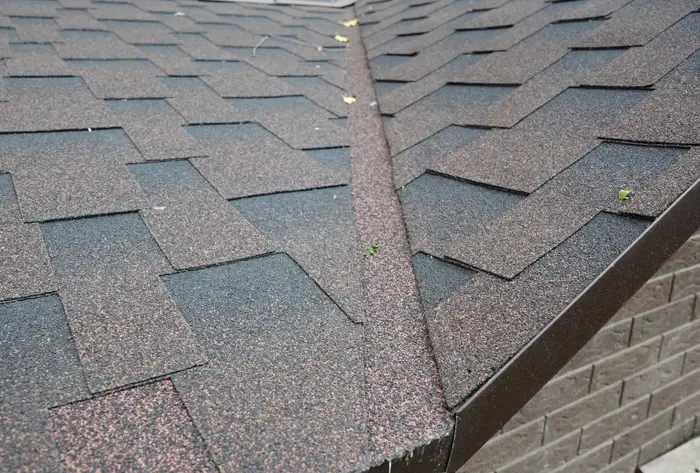
Roof valleys, where two roof planes meet, are a common area where leaks often develop. These valleys are essential for directing water off your roof, but when they fail, problems arise. Understanding the reasons behind roof valley issues can help you take action before serious damage occurs.
- Improper Installation: If a roof valley isn’t installed correctly, it becomes susceptible to leaks. This might include misaligned shingles or inadequate sealing. You should check for signs of poor workmanship, like exposed nails or gaps.
- Debris Accumulation: Over time, leaves, twigs, and other debris can gather in roof valleys. This buildup can block water flow, causing it to pool and eventually seep through.
- Wear and Tear: This can be due to weather conditions, such as heavy rain, snow, or extreme heat. Over time, this can lead to the deterioration of the materials used in your valleys.
10. Chimney Wear and Tear
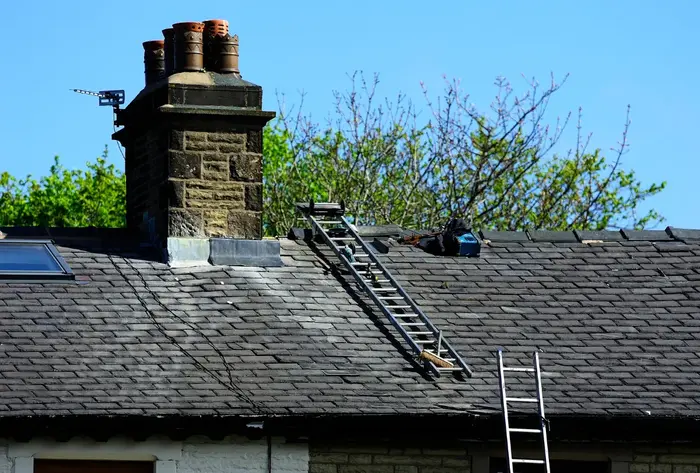
As time passes, the strong brickwork of your chimney may appear resilient, but it’s not resistant to wear and tear. Chimneys withstand continuous exposure to harsh weather conditions, such as rain, snow, and fluctuating temperatures.
These elements can gradually corrode the materials, leading to potential leaks. Water can easily penetrate into cracks in the masonry, causing significant damage if left unattended.
One effective way to safeguard against this is through regular chimney sealing. It involves applying a waterproof sealant to the exterior of your chimney, which helps shield the brickwork and mortar from moisture.
This simple maintenance step can prolong the life of your chimney and reduce the risk of leaks. However, sealing alone may not be sufficient if the masonry itself is already compromised.
Why Prompt Roof Repairs Are Essential
A leaking roof is more than just an inconvenience – it’s a ticking time bomb. Ignoring minor leaks can have severe consequences. They can cause structural rot, reduce insulation, promote mould growth, and create electrical hazards. Immediate action can be a cost-saving move: while a small repair may cost a few hundred dollars, water damage restoration can exceed $10,000.
Acting quickly also safeguards your investment. Many roof warranties require timely maintenance, and neglecting a leak could void your coverage. Likewise, insurance companies are unlikely to cover damage resulting from prolonged neglect, emphasising the importance of quick repairs.
DIY vs Professional Roof Repair: Which Option Is Best For You?
Though DIY repairs might seem cost-effective, they often don’t provide a permanent solution. While small tasks like gutter cleaning may be suitable for DIY, repairing roof leaks requires professional skills and knowledge to prevent recurring issues.
Our team at JP Franklin is trained to address the root of the problem, using industry-approved techniques to keep your roof watertight and secure.
Essential Roofing Services for Leak Prevention and Repairs
- Roof Repairs: Fixing leaks now prevents them from evolving into larger structural problems. Consider our Roof Repair Service to learn more.
- Roof Replacement: When a roof has extensive damage, replacement is often the best option. Visit our Roof Replacement Service page to see our installation process.
Professional roofing services provide leak detection, repairs, preventive maintenance, and warranties, ensuring your roof stays strong over time. Regular inspections and swift repairs can prevent major issues, extending your roof’s lifespan and keeping your home safe.