Roofs are more than just the top layer of your home; they serve as a critical barrier against various weather elements. From heavy rain and snow to intense sunlight and wind, a well-maintained roof protects your home’s interior and structure.
Understanding the Importance of Roof Inspections
The Role of the Roof in Home Protection
Roofs are more than just the top layer of your home; they serve as a critical barrier against various weather elements. From heavy rain and snow to intense sunlight and wind, a well-maintained roof protects your home’s interior and structure.
Weather Shield: A strong roof prevents water leaks, which can lead to mold growth and structural damage.
Home Integrity: The roof plays a vital role in maintaining the overall integrity of your home. A compromised roof can lead to issues in walls, ceilings, and even the foundation.
Home Value: A healthy roof can significantly enhance your property’s value. Potential buyers often look for signs of roof maintenance when considering a purchase.

Common Roofing Issues Faced by Homeowners
Over time, roofs can experience various issues that may go unnoticed until they become serious problems.
Wear and Tear: Aging materials can lead to cracks, missing shingles, and other forms of deterioration.
Storm Damage: High winds, hail, and falling debris can cause immediate damage that may not be visible from the ground.
Ventilation and Insulation: Poor ventilation can lead to heat buildup, causing shingles to warp, while inadequate insulation can increase energy costs.


The Cost of Neglecting Roof Inspections
Ignoring roof inspections can lead to significant financial implications.
Major Repairs: Small issues can escalate into major repairs, costing thousands of dollars.
Escalating Problems: A leak that goes unaddressed can lead to water damage, mold, and even structural issues.
Long-term Value Loss: A neglected roof can decrease your home’s market value, making it harder to sell in the future.
The Scheduling and Frequency of Roof Inspections
Recommended Inspection Intervals
Regular inspections are key to maintaining a healthy roof.
General Guidelines: It’s recommended to have your roof inspected at least once a year, especially if it’s older or has experienced severe weather.
Seasonal Considerations: Inspecting your roof in the spring and fall can help catch issues before they worsen.
Post-Storm Inspections: After severe weather events, it’s wise to check for any damage that may have occurred.
When to Get an Inspection
Certain signs indicate that an inspection is necessary.
Immediate Inspection Signs: Look for missing shingles, water stains on ceilings, or sagging areas.
Routine Checks: After significant weather events, it’s crucial to assess your roof for any potential damage.
Real Estate Transactions: If you’re buying or selling a home, a roof inspection can provide peace of mind and help negotiate repairs.
Working with Professionals vs. DIY Inspections
Deciding between a professional inspection and a DIY approach depends on your comfort level and expertise.
Professional Assessments: Hiring a qualified inspector can provide a thorough evaluation and peace of mind, as they have the experience to spot issues you might miss.
DIY Approach: If you choose to inspect your roof yourself, look for signs of damage, check gutters, and assess the overall condition.
Required Tools: A good ladder, binoculars, and a notepad can help you conduct a basic inspection.


What to Expect During a Roof Inspection
Preliminary Assessment Steps
The inspection process typically begins with a visual assessment.
Initial Visual Inspection: Inspectors will start from the ground, looking for obvious signs of damage.
Identifying Problem Areas: They will note any areas that require closer examination.
Evaluating Drainage: Proper drainage is crucial; clogged gutters can lead to water pooling and damage.
Detailed Attic and Interior Inspection
A thorough inspection includes checking the interior of your home.
Checking for Leaks: Inspectors will look for water stains or signs of leaks in the attic.
Assessing Insulation: Proper insulation is vital for energy efficiency and preventing ice dams.
Mold and Pests: They will also check for any signs of mold or pest infestations, which can indicate roof issues.
Exterior Roof Examination
The exterior of the roof is where most damage occurs.
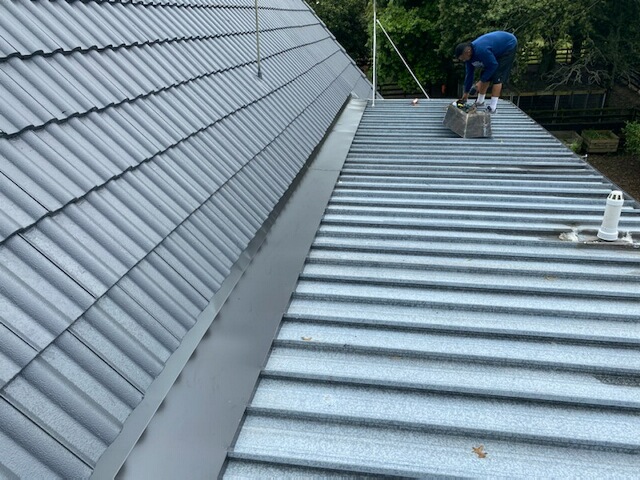
Inspecting Shingles: Look for missing, cracked, or curled shingles.
Analyzing Flashing: Flashing around chimneys and vents should be intact to prevent leaks.
Structural Issues: Inspectors will check for sagging or other signs of structural deterioration.
Benefits of Regular Roof Inspections
Early Detection of Problems
Catching issues early can save you money and stress.
Value of Early Detection: Regular inspections can identify small problems before they escalate into costly repairs.
Case Studies: Many homeowners have saved thousands by addressing issues early.
Proactive Measures: Taking action can extend the life of your roof significantly.
Enhancing Energy Efficiency
A well-maintained roof contributes to energy savings.
Heating and Cooling Costs: A damaged roof can lead to higher energy bills due to poor insulation.
Proper Ventilation: Ensuring your roof has adequate ventilation can help regulate temperature and reduce energy costs.
Quality Materials: Investing in quality roofing materials can enhance energy efficiency.
Peace of Mind for Homeowners
Knowing your roof is in good condition provides emotional benefits.
Emotional Benefits: Homeowners can feel secure knowing their roof is protecting their home.
Weather Resilience: A well-maintained roof can withstand severe weather, providing confidence during storms.
Safety and Comfort: Regular inspections help maintain a safe and comfortable living environment.
How to Choose a Qualified Roof Inspector
Key Qualities of a Good Inspector
Finding the right inspector is crucial for a thorough evaluation.
Experience and Credentials: Look for inspectors with a solid background and relevant certifications.
References and Reviews: Check online reviews and ask for references to gauge their reputation.
Certifications: Certain affiliations can indicate a commitment to quality and ongoing education.
Questions to Ask Before Hiring
Before hiring an inspector, ask the right questions.
Insurance: Ensure the inspector has liability insurance to protect you in case of accidents.
Inspection Process: Inquire about their inspection process and what areas they will cover.
Costs: Clarify the costs involved and what services are included in the fee.
Understanding the Inspection Report
After the inspection, understanding the report is essential.
Common Terminology: Familiarize yourself with terms that may appear in the report, such as “flashing” or “underlayment.”
Interpreting Findings: Learn how to interpret the findings effectively to understand the condition of your roof.
Next Steps: Based on the report, determine what actions need to be taken to address any issues.
Understanding the necessity of roof inspections is integral for safeguarding your home. Regular evaluations not only preserve the roof’s condition but also enhance the overall safety and efficiency of your home. By knowing what to expect, recognizing the benefits, and selecting the right professional, homeowners can make informed decisions that ultimately lead to greater peace of mind.
FAQs
How often should I get my roof inspected?
It’s recommended to have your roof inspected at least once a year, with additional checks after severe weather.
What are the signs that my roof needs immediate attention?
Look for missing shingles, water stains on ceilings, or sagging areas, which indicate potential issues.
Can I perform a roof inspection myself, or should I hire a professional?
While DIY inspections are possible, hiring a professional ensures a thorough evaluation and peace of mind.
What should I do if my roof inspection uncovers problems?
Address any issues promptly to prevent them from escalating into more significant problems.
Is a roof inspection necessary before selling my home?
Yes, a roof inspection can provide valuable information for potential buyers and help negotiate repairs.
If you have a question about roof inspections get in touch, our friendly team will answer all your roofing related questions.