Guttering , the unsung hero of the roof. It hardly ever takes the credit for carrying away rainwater from your property. However, when a serious problem arises, many homeowners stop overlooking them and find themselves having to get them unblocked, repaired or replaced. That’s the moment when many questions come up.
So, before you embark on a guttering project you may want to consider this valuable advice from our experts.
One of the first questions that arise are about the best material for your spouting system. When choosing guttering, consider your home’s exposure to weather elements. If you live near the coast or in a region with frequent storms and heavy rainfall, your options for size and material may be limited. Metal guttering is a better choice for homes in extreme weather conditions, such as intense sunlight or snowfall, as it is more resistant to temperature fluctuations and environmental factors than plastic. Let’s break it down:
- PVC guttering is a very popular type of guttering in Auckland. It is made from durable plastic, making it resistant to corrosion and rot. PVC guttering is also relatively easy to install and is available in a range of colours, although it is most commonly white. However, PVC guttering can become brittle over time, particularly in cold weather, and it is also susceptible to damage from UV rays.

- Steel guttering is Ideal for homeowners seeking a balance between affordability and durability, especially in areas with high rainfall or potential for hail. Colorsteel® (pre-painted steel) offers a great balance of aesthetics and protection. Coated steel guttering is resistant to corrosion and is available in a range of colours. Galvanised steel guttering is less popular than PVC guttering, but is still a good option for those looking for a durable and long-lasting guttering system. Steel guttering is more expensive than PVC guttering, but is less likely to suffer from corrosion. Stainless steel guttering is the most expensive type of guttering, but is also the most durable.
- Pros: Available in various thicknesses and coatings (galvanised, Zincalume®), strong, durable, wide range of colours.
- Cons: Can rust if scratched, requires occasional maintenance (painting).
- Copper guttering is a premium option for homeowners seeking a long-lasting and durable guttering system. It’s resistant to corrosion and available in various colours. However, copper is a more costly choice compared to PVC and steel guttering.

- Aluminium is ideal for budget-conscious homeowners in moderate climates with low wind and debris.
- Pros: Affordable, lightweight, readily available, corrosion-resistant in most climates.
- Cons: Can dent easily, limited colour options.

Now that you know the types of material available with their pros and cons, let’s talk about guarding your gutters. Your guttering will get blocked from time to time. Leaves, dirt and debris can all contribute to a blockage, which can cause water to overflow and damage your home.So, How can you prevent those problems?
The first step to prevent future gutter problems is to ensure they’re installed correctly from the start. This means selecting the appropriate size and style for your home and having them installed professionally. If you’re unsure about the process, hiring experts like JP Franklin is highly recommended. Our team can efficiently install your gutters and provide expert advice on the best type of guttering for your specific needs.
One of the best ways to prevent gutter problems is to keep them clean. A regular clean of your gutters will remove leaves, debris, nests and caked-on mud which will reduce the weight the guttering has to bear and keep the water flowing freely to the downpipes. You don’t have to climb a ladder to clean your gutters these days; microscopic cleaning tools will let you keep your feet on the ground while you complete the job. If you don’t feel comfortable doing this, you can hire our professional gutter cleaning service.
Periodically, inspect your downpipes to ensure they’re effectively directing rainwater into your drainage system instead of allowing it to pool on the ground. During rain showers, it’s a good practice to go outside and observe your gutters for any signs of overflow. If your guttering struggles to handle moderate rainfall, it’s a clear indication that it won’t perform well during heavy Auckland storms.
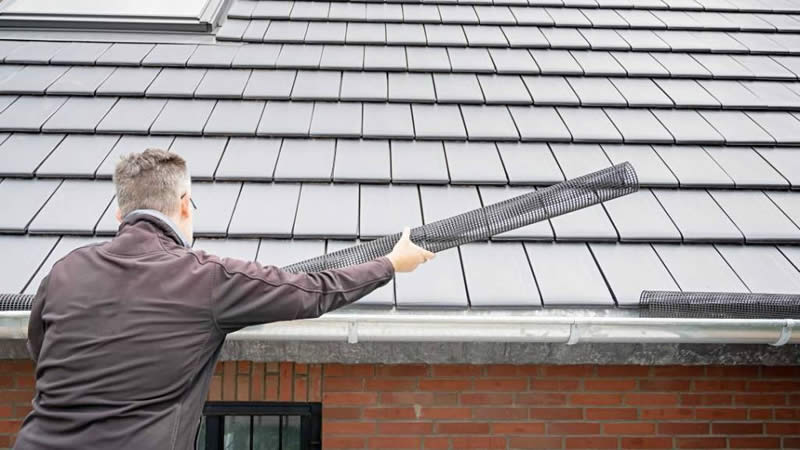
Install gutter guards. We’re surprised more homeowners don’t install gutter guards, given their effectiveness in keeping gutters clear of debris. When professionally installed, quality gutter guards allow rainwater to flow freely into the gutter while preventing leaves, branches, and even birds and rodents from entering. While regular inspections and cleaning are still recommended, gutter guards significantly reduce the risk of blockages and ensure water flows smoothly to its intended destination.
Of course, even the best-maintained gutters can sometimes run into trouble. If that happens, give us a call and we’ll get things back on track.