Are you wondering which roofing material is best for your New Zealand home? This guide explains everything you need to know about choosing the perfect roof for your climate, budget, and style preferences by exploring various roof types. We will cover different types of roofs.
Additionally, we will discuss everything you need to know about New Zealand’s most trusted roofing materials.
Roof Types and Materials Overview

Roofing materials play a crucial role in determining your home’s durability, sustainability, and aesthetic appeal. With numerous options available, selecting the right material can be overwhelming. To help you decide, here’s an overview of popular roofing materials, their characteristics, and benefits
|
Roof Type |
Features |
|
Asphalt Shingles |
Asphalt shingles are a popular choice for residential buildings because they are affordable, easy to install, and widely available. They also come in a variety of colours and styles, making them versatile for different architectural designs. |
|
Metal Roofing |
Metal roofing is durable, energy-efficient, and resistant to weathering. It’s ideal for both residential and commercial buildings. It’s particularly suited for areas with extreme weather conditions, providing excellent storm resistance and longevity. |
|
Clay and Concrete Tiles |
Known for their rustic charm and durability, clay and concrete tiles suit Mediterranean-style buildings. They offer superior thermal insulation and a long lifespan, making them a premium choice for homeowners. |
|
Wood Shingles and Shakes |
Wood shingles and shakes are perfect for traditional and rustic buildings because of their natural, sustainable, and aesthetic designs. They provide a unique, natural look but require regular maintenance to prevent rot and insect damage. |
|
Rubber and Composite Roofing |
Rubber and composite roofing are eco-friendly, durable, and low-maintenance, ideal for modern and contemporary buildings. They can mimic the look of traditional roofing materials while offering enhanced durability and sustainability. |
|
Slate Roofing |
While less common in the New Zealand market, slate roofing offers unparalleled elegance and longevity for luxury homes. |
Asphalt Shingles: Smart Roofing Solution for NZ Homes

Asphalt shingles are New Zealand’s most cost-effective roofing option. They’re particularly popular in Auckland, Wellington, and Christchurch neighbourhoods. Their traditional styling can easily meet today’s practical needs and designs.
Benefits:
- Cost-effective roofing solution
- Extensive colour and style selection
- Quick installation process
- Standard warranty coverage
Keep in Mind:
Weather-resistant siding requires varying levels of maintenance based on quality. Coastal areas demand regular upkeep, and professional installation is typically recommended to maintain warranty coverage.
Metal Roofing: Top Choice for Durable NZ Roofs
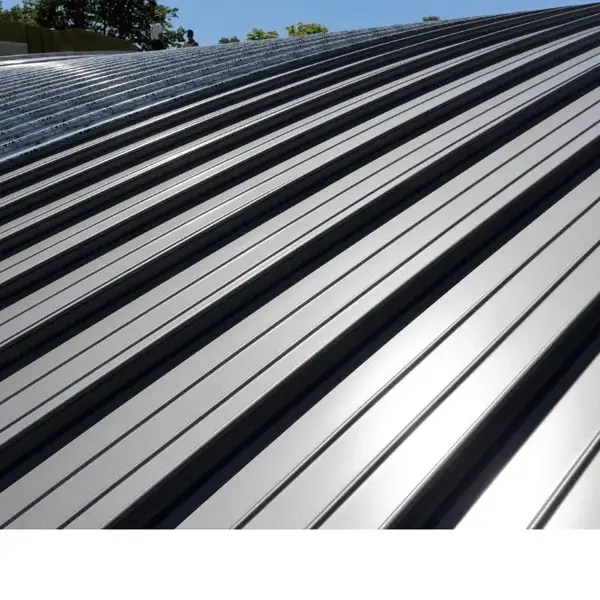
Metal roofing has become increasingly popular across New Zealand, especially in regions experiencing extreme weather conditions. From Northland to Southland, homeowners choose metal roofs for their outstanding durability.
Benefits:
- Long-term durability guarantee
- Superior fire safety rating
- Ideal for water collection systems
- Excellent storm resistance
Keep in Mind:
While weather-resistant siding demands a higher initial investment and certified installation, it requires careful consideration of acoustic properties and maintenance requirements, particularly in coastal areas where regular upkeep is essential to maintain warranty coverage.
Concrete and Clay Tiles: Heritage Roofing Options

These traditional roofing materials have protected New Zealand homes for over a century, offering aesthetic appeal and proven durability.
Benefits:
- Extended lifespan
- Superior thermal insulation properties
- Class-A fire resistance rating
- Perfect for heritage homes
A thorough structural assessment is required before installation to ensure the building can support the additional weight and stress of the materials. Premium materials are recommended as they offer superior durability and longevity despite the higher cost. Professional installation is essential because improper techniques can compromise performance and warranty cover. Regular maintenance is needed to prevent deterioration and extend the system’s lifespan, particularly in harsh weather conditions.
Slate Roofing: Premium Natural Stone Option
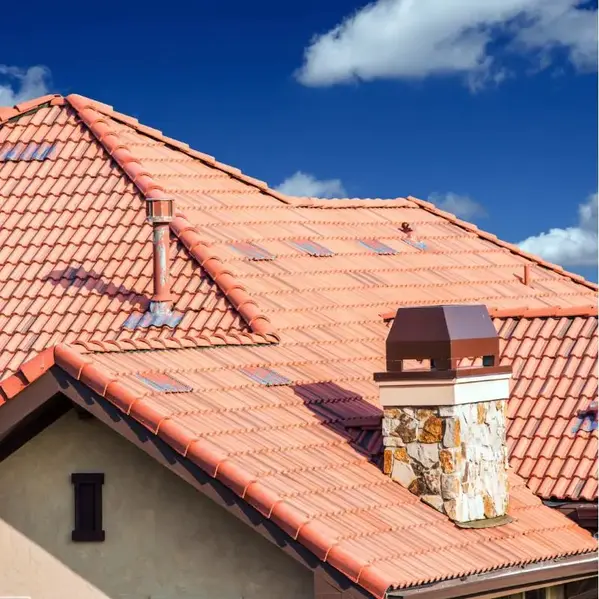
While less common in the New Zealand market, slate roofing offers unparalleled elegance and longevity for luxury homes.
Benefits:
- Exceptional durability
- Natural stone aesthetic
- Maximum fire protection
- Ideal for high-end properties
A premium investment is required as these systems represent a significant capital expense that reflects their advanced technology and lasting performance. Specialist installation is essential, as the complexity of the system demands expertise to ensure optimal function and adherence to manufacturer specifications.
Structural reinforcement is often needed because existing buildings may require additional support to bear the system’s weight and operational loads. Limited installer availability should be factored into project timelines, as there are relatively few qualified specialists in the marketplace who can properly handle these installations.
Natural and Engineered Wood Shingles

Wood shingles and shakes are a popular choice for traditional and rustic buildings. Here’s what you need to know about natural and engineered wood shingles:
Natural Wood Shingles | Engineered Wood Shingles |
Made from natural wood, these shingles are durable, sustainable, and aesthetically pleasing. They offer a unique, natural look that enhances the charm of traditional and rustic homes. However, they require regular maintenance to prevent rot and insect damage, and their lifespan can be affected by local climate conditions. | Made from composite materials, engineered wood shingles are designed to be more durable and weather-resistant than natural wood shingles. They offer the same aesthetic appeal as natural wood but with added benefits such as lower maintenance requirements and greater affordability. Engineered wood shingles are an excellent choice for homeowners looking to balance natural beauty and practicality. |
Rubber and Composite Roofing
Rubber and composite roofing are eco-friendly, durable, and low-maintenance options for modern and contemporary buildings.
Here’s what you need to know:
| Rubber Roofing | Composite Roofing |
| Rubber roofing is a sustainable choice made from recycled materials with excellent durability and waterproofing. It’s particularly suitable for flat roofs and can be installed over existing roofing materials, making it a convenient option for renovations. Rubber roofing is also weather-resistant, providing long-term protection against the elements. | Made from a combination of materials, composite roofing is designed to be durable, sustainable, and aesthetically pleasing. It can mimic the look of traditional roofing materials such as wood or slate, offering versatility in design. Composite roofing is ideal for residential and commercial buildings, providing a low-maintenance, long-lasting roofing solution. |
Energy-Efficient Roofing Options
Energy-efficient roofing options are designed to reduce energy consumption and minimise environmental impact. Here are some popular options:
- Cool Roofs: Coated with reflective materials, cool roofs can reduce energy consumption by up to 20%. They reflect more sunlight and absorb less heat, keeping your home cooler and reducing the need for air conditioning.
- Green Roofs: Covered with vegetation, green roofs can reduce energy consumption by up to 30% and provide natural insulation. They also help manage stormwater, improve air quality, and create green spaces in urban environments.
- Solar Roofs: Integrated with solar panels, solar roofs can generate electricity and reduce energy consumption. They offer a sustainable energy solution that significantly lowers utility bills while contributing to environmental conservation.
- Energy-Efficient Shingles: Made from materials with high thermal mass, energy-efficient shingles can reduce energy consumption by up to 10%. They help regulate indoor temperatures by absorbing and slowly releasing heat, making your home more comfortable and energy-efficient.
These sections provide a comprehensive overview of roofing materials, natural and engineered wood shingles, rubber and composite roofing, and energy-efficient roofing options. They include relevant information, benefits, and characteristics of each option, making it easier for readers to make informed decisions.
Roof Designs and Styles
Roof designs and styles play a crucial role in determining the overall aesthetic appeal and functionality of a building. With numerous options available, it’s essential to understand the characteristics of each style to make an informed decision.
Gable Roof
A gable roof is one of the most common and recognizable roof styles, characterized by two sloping sides that meet at a central ridge. This design is ideal for traditional and classic buildings, offering a timeless appeal.
Gable roofs are easy to build and maintain, making them a popular choice for many homeowners. The simplicity of the design allows for efficient water runoff and provides ample attic space. However, they may not be the most energy-efficient option, as the sloping sides can create areas where heat can escape. Despite this, the versatility and straightforward construction of gable roofs make them a staple in residential architecture.
Hip Roof
A hip roof features four sloping sides that converge at the peak, creating a sturdy and balanced structure. Known for its flexibility and ease of building, this type of roof is a favourite among architects and builders.
Hip roofs are more expensive than gable roofs but require fewer materials, making them a cost-effective option in the long run. They are also more resistant to strong winds and adverse weather conditions, making them an excellent choice for areas prone to extreme weather. The design of hip roofs provides additional stability and can accommodate various architectural styles, from traditional to modern.
Dutch Gable Roof
The Dutch gable roof combines the best of gable and hip roof designs. It features a hip roof at the top with a gable roof below, creating a unique and stylish look. This design enhances a home’s aesthetic appeal and provides practical benefits.
Dutch gable roofs offer additional attic space, which can be used for storage or converted into living space. They also provide greater wind stability than traditional hip roofs, making them suitable for areas with high winds. The combination of elegance and functionality makes Dutch gable roofs a popular choice for homeowners looking to add character to their homes.
Flat Roofs
Flat roofs, characterised by their minimal slope, are a hallmark of modern and contemporary architecture. This design offers a sleek and minimalist look, making it ideal for buildings with a flat or low-pitched roof. Flat roofs are often used for commercial buildings but are increasingly popular in residential designs.
Flat roofs provide additional outdoor space, which can be used for rooftop gardens, patios, or solar panel installations. However, they are prone to leaking and require skilled installers for repair, replacement, or installation. Proper maintenance and high-quality materials are essential to ensure the longevity and performance of flat roofs.
A-Frame Roof
An A-frame roof features a steeply angled roofline that serves as both the roof and two exterior walls, creating a distinctive triangular shape. This design is ideal for rustic and scenic settings, offering a unique and charming look.
A-frame roofs are simple and less expensive to build, making them a popular choice for vacation homes and cabins. The steep pitch allows for efficient shedding of snow and rain, reducing the risk of water damage. However, the design may not be suitable for areas with heavy snowfall or extreme weather conditions, as the steep angles can create challenges for insulation and interior space utilisation.
These roof designs and styles offer a range of benefits and drawbacks, making it essential to consider factors such as climate, building style, budget, functionality, maintenance, durability, and aesthetics when choosing the right roof for your building.
How to Choose Your Ideal Roofing Material
Selecting the right roof involves more than just picking an attractive material. Your choice of the type of roof will impact your home’s protection, value, and maintenance needs for decades to come. Let’s break down the key factors that should guide your decision:
1. Total Budget Allocation (Installation and Maintenance)
When planning your roofing project, consider both the upfront installation costs and long-term maintenance expenses. While some materials initially seem costly, their durability and lower maintenance requirements could save you money. A metal roof might have higher upfront costs but could outlast multiple installations of less expensive materials, making it more economical in the long run.
2. Architectural Requirements
Your home’s architectural style plays a crucial role in material selection. Villa-style homes often suit traditional materials like clay tiles or slate, while contemporary builds might benefit from the clean lines of metal roofing. The roof pitch (slope) also affects your options – some materials perform better on steep pitches, while others work well on flatter roofs.
3. Local Climate Considerations
New Zealand’s diverse weather patterns demand careful consideration of your local climate. Coastal homes need materials resistant to salt spray and strong winds, while homes in areas with heavy rainfall benefit from materials that can handle high water volumes. Consider how different materials perform under your specific weather conditions – from Wellington’s winds to Auckland’s humidity.
4. Building Consent Requirements
Local councils have specific requirements for roofing materials and installation methods. Some heritage areas may restrict certain materials or colours. At the same time, other regions have specific wind zone requirements that affect material choice. Always check your local building codes and consent requirements before deciding.
5. House Structure Capabilities
Your home’s existing structure must support your chosen roofing material. Heavier options like slate or concrete tiles might require additional structural support, while lighter materials like metal roofing can often be installed on existing frameworks. A professional assessment of your home’s structural capacity is essential before making your final choice.
Expert Roofing Installation Services
Unlike other contractors specialising in limited materials, our certified team expertly handles all roofing types mentioned above. We bring decades of combined experience to every project, ensuring perfect installation regardless of your chosen material.
Professional Consultation Available
Making the right roofing choice significantly impacts your home’s value and protection. Book a consultation with our roofing specialists to:
- Get a personalised assessment
- Receive a detailed quote
- Understand material options
- Learn about warranty coverage
FAQ About Roofing Materials
How long do different roofing materials last in New Zealand?
Which roofing material is best for coastal properties?
What's the most cost-effective roofing material?
Contact Us for Expert Roofing Advice
Ready to discuss your roofing project? JP Franklin is a certified roofing company that can help you replace your old roof, repair and maintain your present roof, and install one to your new building. Contact us or fill out our online consultation form for personalised roofing advice.
Remember: Your roof is your home’s first line of defence against New Zealand’s dynamic weather. Invest in quality materials and professional installation to protect your home for decades to come.