Architectural tiles represent a significant advancement in residential roofing technology, offering homeowners a premium alternative to traditional asphalt shingle roof tiles. These high-quality roofing materials combine durability, aesthetic appeal, and long-term value, making them an increasingly popular choice for discerning property owners.
This blog will further discuss what architectural roof shingles are, the benefits, installation costs, and everything you need to know to achieve the perfect look for your project.
What Are Architectural Asphalt Shingles?

Architectural shingles are a step up from standard roof shingles. The term “architectural shingles” refers to their enhanced aesthetic qualities and design, not to any particular challenge they present. They’re designed to provide a more attractive and distinctive appearance for residential roofs.
They’re thicker and come in different shapes and sizes. This gives your roof more texture and depth, making it stand out.
Architectural shingles are made from materials similar to regular asphalt shingles. However, they have more layers than the latter.
- Dimensional: The extra layers give architectural shingles more depth and dimension.
- Textured: The layering creates a more textured, contoured appearance.
- Substantial: The additional material makes them thicker and heavier than standard shingles.
- Stylish: This multi-layered construction results in a more upscale, sophisticated look that can mimic more expensive roofing materials like slate or wood shakes.
Why are architectural shingles called "dimensional shingles"?
- Extra layers Architectural: These shingles have multiple layers, making them thicker than standard shingles.
- 3D look: They create a three-dimensional appearance on the roof.
- Varied shape: The shingles have different thicknesses, creating an interesting contoured look.
- Shadow effects: Their varied shape produces distinct shadows, adding depth to the roof’s appearance.
- Textured: The surface has multiple layers, allowing different textures on a single shingle.
- Depth illusion: When fitted, these shingles make the roof look deeper and more appealing.
In summary, “dimensional shingles” describe both how these shingles are made (with multiple layers) and how they look (creating a 3D effect on the roof). This unique style sets them apart from flat asphalt shingles and makes them popular for modern homes.
Benefits of Dimensional Shingles
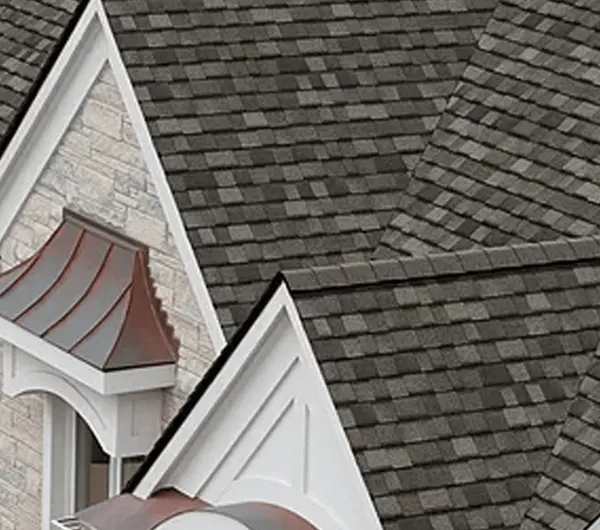
- Aesthetically Pleasing: These shingles can make your house look more expensive and stylish. Dimensional or laminated shingles provide enhanced aesthetics and durability.
- Longlasting: If you take care of them, they can last up to 30 years or more.
- Sturdy: They can withstand bad weather like strong winds and heavy rain.
- Keep Your House Warm: They help keep heat inside your house, saving you money on heating bills.
Comparison to Other Roofing Materials
Architectural shingles are a popular choice for residential roofing due to their durability, aesthetic appeal, and affordability. Compared to other roofing materials, architectural shingles offer unique benefits that make them stand out.
Roofing Material | Cost | Durability | Lifespan | Weather Resistance | Aesthetic Appeal |
Architectural Shingles | Moderate | High | 25-30 years | High | High |
Three-tab Shingles | Low | Moderate | 15-20 years | Moderate | Moderate |
Metal Roofing | High | Very High | 40-70 years | Very High | Very High |
Composite Shingles | Moderate | Moderate | 30-50 years | Moderate | Moderate |
Roofing System Components for Architectural Shingles
- Roof Deck
- Base structure, typically plywood or oriented strand board (OSB)
- Provides a foundation for the entire roofing system
- Base structure, typically plywood or oriented strand board (OSB)
- Underlayment
- Water-resistant or waterproof layer
- Types: Felt paper, synthetic underlayment, or rubberised asphalt
- Offers additional protection against water infiltration
- Ice and Water Shield
- Self-adhering waterproof membrane
- Applied at roof edges, valleys, and other vulnerable areas
- Prevents water damage from ice dams and wind-driven rain
- Drip Edge
- Metal strip installed along roof edges
- Directs water away from fascia and into gutters
- Starter Shingles
- A special row of shingles at the roof’s edge
- Provides a straight edge and additional wind resistance
- Architectural Shingles
- Main roofing material
- Multi-layered for dimensional appearance
- Various colours and styles are available
- Ridge Caps
- Specialised shingles for roof peaks
- Covers and protects the junction of roof planes
- Flashing
- Metal sheets used around chimneys, vents, and other protrusions
- Prevents water from entering joints and intersections
- Ventilation System
- Intake vents (usually in soffits)
- Exhaust vents (ridge vents, roof vents)
- Regulates temperature and moisture in the attic
- Gutters and Downspouts
- Collects and directs water away from the roof and foundation
- Not strictly part of the roof, but crucial for water management
- Sealants and Adhesives
- Used to secure shingles and flashing
- Provides additional water resistance at vulnerable points
Each component is crucial in creating a complete, effective roofing system using architectural shingles.
Durability and Lifespan
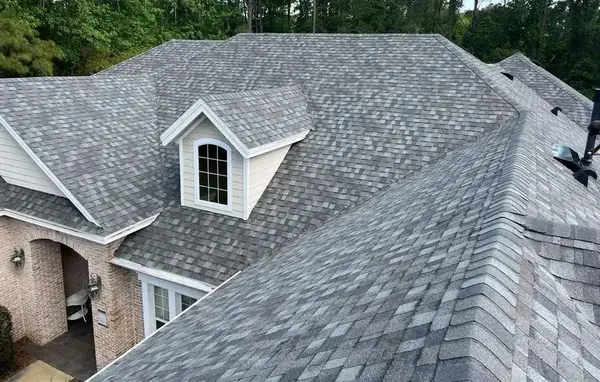
Architectural asphalt shingles are renowned for their exceptional durability and extended lifespan, making them a wise investment for homeowners. These shingles are engineered to endure harsh weather conditions, including heavy rain, hail, and strong winds, ensuring your home remains protected year-round.
The longevity of architectural shingles is impressive, with an average lifespan ranging from 25 to 30 years. However, some high-quality architectural asphalt shingles can last up to 40 years or more, depending on factors such as the quality of the shingles, proper installation, and regular maintenance.
The secret to their durability lies in their unique construction. Architectural shingles are composed of multiple layers of asphalt-coated fibreglass mat, which provides superior resistance to wind, hail, and other forms of damage. Additionally, many architectural shingles are treated with specialised coatings that prevent algae growth and protect against UV damage, further enhancing their lifespan.
By choosing architectural shingles, homeowners can enjoy a roofing material that not only looks great but also stands the test of time, providing peace of mind and long-term value.
Putting Them On Your New Roof
Getting these shingles on your roof isn’t a DIY job for most people. You’ll want to call a professional roofer for this one. Laminated shingles, also known as architectural or dimensional shingles, require professional installation due to their complexity. Here’s why:
- They’re heavier than normal shingles, so your roof needs to be strong enough to hold them.
- They come in different shapes, so fitting them together takes skill.
- It would help if you had special tools and know-how to get them on properly.
The good news is, once they’re on, they’re on for good. A well-done job will keep your roof looking smart for ages.
Installation and Quality
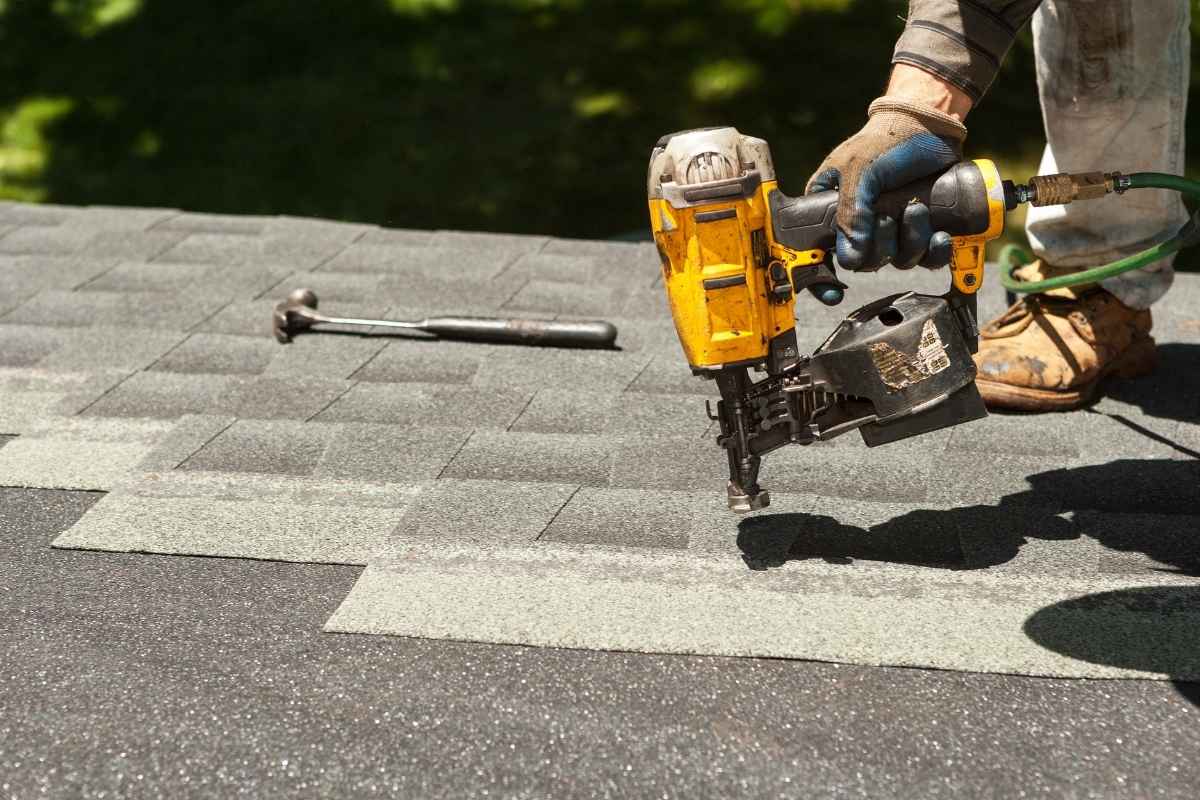
The installation of architectural shingles is a critical factor in ensuring their longevity and performance. Unlike standard shingles, architectural shingles require meticulous attention to detail and a high level of craftsmanship. A well-installed architectural shingle roof can offer decades of reliable service, while a poorly installed one can lead to premature failure and costly repairs.
When installing architectural shingles, it’s essential to follow the manufacturer’s instructions and adhere to industry best practices. This includes preparing the roof deck properly, using the correct underlayment materials, and ensuring proper ventilation and drainage. These steps are crucial for preventing issues such as water infiltration and heat buildup, which can compromise the integrity of the roof.
The quality of architectural shingles can vary significantly depending on the manufacturer and the specific product. It’s important to select shingles made from high-quality materials with a proven track record of performance. Working with a reputable and experienced roofing contractor is equally important, as their expertise can ensure that the installation is done correctly and efficiently.
Architectural shingles are generally considered a mid-range to high-end roofing material, offering a balance of durability, affordability, and aesthetic appeal. While they may not be the best option for every home or budget, they are a popular choice for many homeowners due to their impressive performance and stylish appearance.
By carefully considering your options and choosing the right roofing material and contractor, you can ensure a beautiful and long-lasting roof for your home.
How Much Will It Cost?
Architectural shingles cost more than the regular kind. But before you decide against them, consider this:
- They last longer, so you will only need to replace them sometimes.
- They can increase your house’s value.
- They’re tougher, so you might save on repair costs in the future.
While they cost more upfront, they might save you money over time because of their durability and longevity.
What Affects the Cost of Roofing Materials?
The cost of architectural roof shingles can change depending on a few things:
- The Size of Your Roof: A more extensive roof will cost more to cover.
- The Brand of Shingles: Some brands cost more than others.
- Where You Live: Prices can be different in different parts of the country.
- Who Does the Work: Professional roofers will charge for their time and skills.
In general, architectural roof shingles cost more than regular shingles. But they also last longer, so they might save you money in the long run. When choosing roofing shingles, consider the variety of options available in colours, styles, and price points.
Important factors like longevity, durability, and performance against harsh weather conditions can significantly affect the cost and the overall investment in a new roof. Remember, the actual cost can vary a lot. It’s best to get quotes from several roofers to get a good idea of the price for your specific project.
How Long Will They Last?
This is where architectural shingles really shine. While standard shingles might last 15-20 years, architectural shingles can last for 25-30 years, sometimes even longer if you look after them well.
That’s because they’re thicker and stronger. They can handle tough weather conditions better—rain, wind, sun, you name it. They’re also less likely to crack or curl up at the edges like regular shingles.
Of course, how long they last depends on a few things:
- The weather where you live
- How well they’re installed (another reason to get a pro to do it)
- How well do you maintain them
Are Architectural Roof Shingles Right for You?
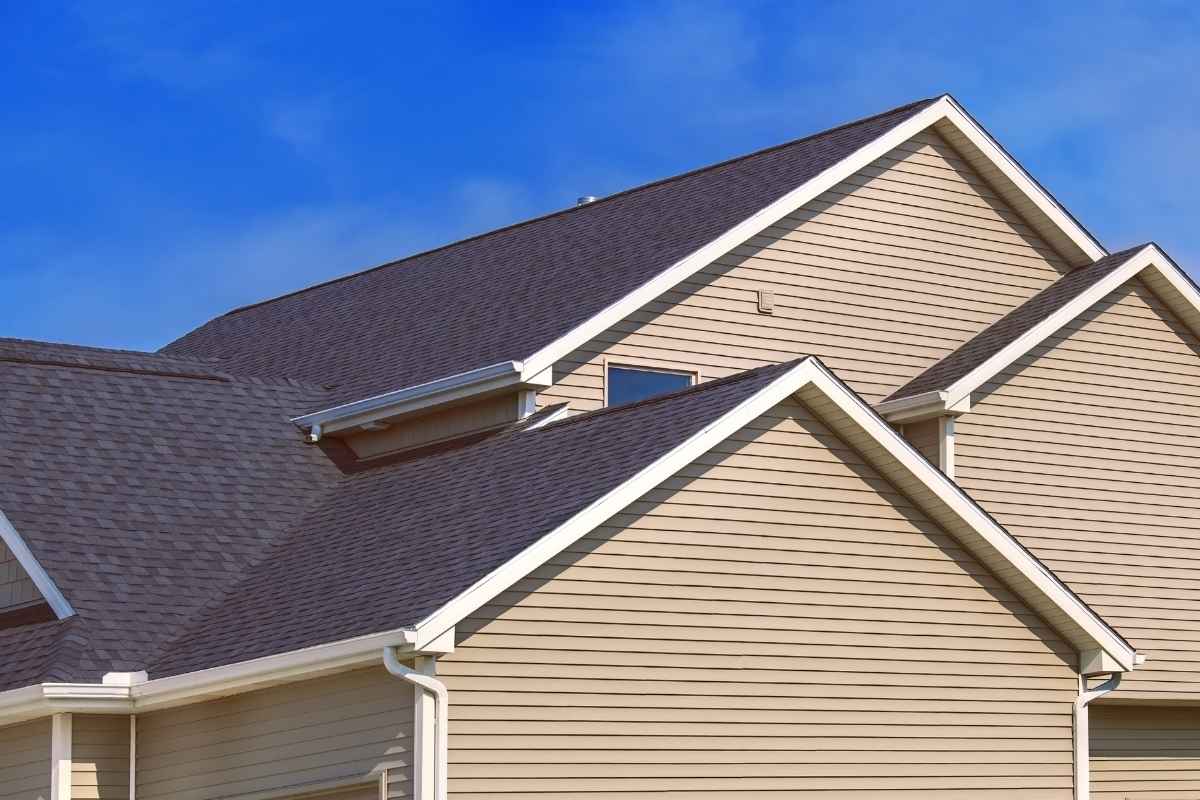
Architectural roof shingles are a good choice for many homes. They look nice, last long, and protect your house well. But they do cost more than regular shingles.
Think about these questions:
- How long do you plan to live in your house?
- How much can you spend on a new roof?
- Do you live somewhere with bad weather?
- How important is the look of your roof to you?
If you plan to stay in your house for a long time, can afford the higher cost, want a roof that can handle tough weather, and care about how your house looks, architectural roof shingles might be perfect for you.
Warranty and Maintenance
Architectural shingles typically come with a manufacturer’s warranty that covers defects and premature wear and tear. The warranty period can vary depending on the manufacturer and the specific product, but most warranties range from 20 to 50 years. This warranty provides homeowners with peace of mind, knowing that their investment is protected.
Regular maintenance is essential to ensure your architectural shingles’ longevity and prevent premature wear and tear. Homeowners should inspect their roofs regularly to check for damaged or missing shingles and perform repairs as needed.
Additionally, ensuring that your roof is properly ventilated is crucial to prevent heat buildup and moisture accumulation in the attic space, which can lead to mould growth and structural damage.
By adhering to a regular maintenance schedule and addressing any issues promptly, you can maximise the lifespan of your architectural shingles and maintain the integrity of your roof for many years to come.
Wrapping It Up
So, there you have it. Architectural roof shingles are a more robust and stylish option compared to regular shingles. They look good, last longer, and can add value to your home. Yes, they cost more to start with, and you’ll need a professional roofer to put them on. But for many people, the benefits outweigh the extra cost.
If you’re thinking about redoing your roof, it might be worth talking to a local roofer about architectural shingles. They can give you more information on what would work best for your home.
Remember, your roof is crucial for protecting your home from the elements. So whether you go for architectural shingles or stick with the regular kind, make sure you choose something that’ll do the job right. Happy roofing!