
At JP Franklin, we’re dedicated to keeping your home safe and sound from the elements. One crucial aspect of roof protection is your guttering system.
Basically, what guttering does is channelling water away from its foundation and preventing it from seeping into the walls or basement. When the gutters get blocked or damaged, they cause serious problems to your homes’ foundation overtime. Now, why are external gutters better than internal ones? Let us explain.

Internal gutters or Box Gutters, a common feature in older homes, were once praised for their sleek appearance. However, with increasing rainfall, these hidden systems are now more likely to leak, overflow, and cause substantial water damage.

But, let’s break down all the challenges that internal gutters may present:
First, they are more susceptible to blockages caused by leaves, debris, and even birds’ nests. These blockages can cause water to overflow or back up into the roof cavity, leading to unseen moisture buildup and potential water damage.
Also, they are difficult to maintain. Because internal gutters are concealed within the roof, they’re challenging to inspect and clean regularly. This can lead to problems going unnoticed for extended periods, allowing water damage to fester. Regular maintenance is crucial for any gutter system, but it’s especially critical for internal gutters due to their hidden nature.
They are prone to mould and mildew growth just because the damp and hidden environment of internal gutters creates the perfect breeding ground for these fungi. Even worse, mould spores can travel through the air vents and spread throughout your home, posing health risks and causing unpleasant odours.
If leaks or blockages occur within the internal guttering system, repairs become a complex and expensive undertaking. Accessing the hidden gutters often requires removing interior fixtures or even sections of your roof, leading to disruption and additional costs.
Although visually pleasing, internal gutters can compromise the structural integrity of your home. The potential for water damage, overflow, and maintenance difficulties make them less suitable for modern homes. Switching to an external gutter system can alleviate these risks, providing a more reliable and accessible solution for managing rainwater efficiently.
Let’s see why we favour External Guttering systems:
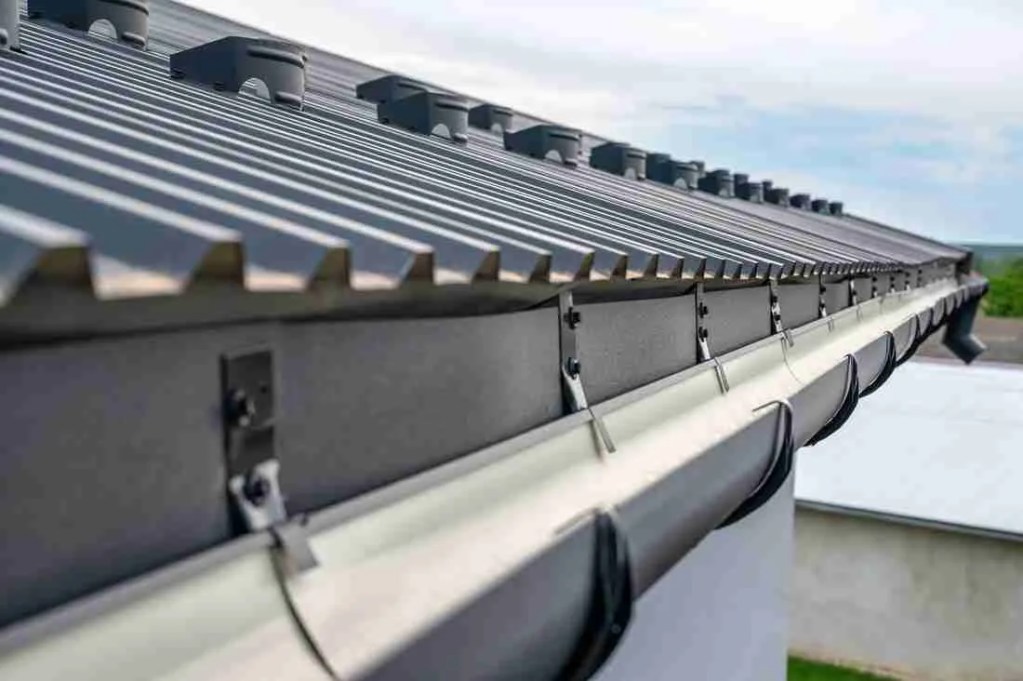
Easier Maintenance: External gutters are readily accessible for cleaning and inspection. You can easily spot blockages and remove debris to ensure proper water flow. This proactive maintenance helps prevent water damage and keeps your gutters functioning optimally.
Reduced Risk of Water Damage: With external gutters, blockages are more apparent and easier to address. Water overflows are less likely to occur, minimising the risk of water damage to your roof, walls, and foundation.
Improved Ventilation: External gutters allow for better air circulation around the roof, reducing moisture buildup and preventing mould and mildew growth.
Cost-Effective Repairs: If leaks or repairs are needed with external gutters, they’re generally simpler and less expensive to address compared to internal systems. The easy accessibility of external gutters allows for quicker repairs and minimises disruption to your home.
JP Franklin: Your Guttering Experts
At JP Franklin, we recommend external guttering systems for most Auckland homes. They’re easier to maintain, less prone to problems, and offer a more cost-effective solution in the long run. If you’re considering a new roof installation or suspect issues with your existing internal guttering, our team of experienced roofers can provide expert advice and top-quality workmanship.
Contact JP Franklin today for a free consultation and discuss the best guttering solution for your Auckland home.